Kwankwaso Visits Singer Market, Offers Support to Traders After Fire Outbreak
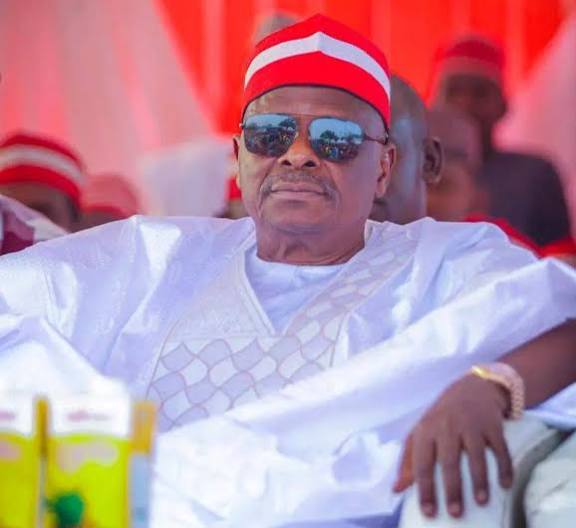
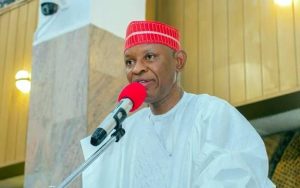
Rabiu Musa Kwankwaso, National Leader of the New Nigeria People’s Party (NNPP), on Thursday visited Singer Market in Kano following a fire that destroyed hundreds of shops earlier this week. The blaze, which broke out in the early hours of Tuesday, caused significant losses for traders, with goods estimated to be worth billions of naira.
Kwankwaso’s visit drew a large crowd of traders, residents, and supporters, who gathered to show solidarity with those affected by the incident. Many shop owners paused their activities to meet him, turning the market into a scene of community engagement.
Speaking with traders, Kwankwaso expressed sympathy over the losses, describing the incident as painful for both the victims and the wider Kano business community. He called on authorities and relevant agencies to provide relief support and to review safety measures in major markets across the state.
Kwankwaso also thanked the traders for the warm reception, despite their difficult situation, and offered prayers for strength and restoration of their losses.
“What happened here is painful. These traders work hard to support their families and contribute to Kano’s economy. They deserve support at this critical moment,” he said.
Later on Thursday, Kwankwaso’s residence in Kano saw another large gathering, this time from supporters in Dawakin Kudu Local Government Area, who visited to show solidarity and appreciation for his engagement with the community.
Political analysts note that the events reflect Kwankwaso’s continued public influence in Kano State, even after recent changes in the state’s political landscape, including Governor Abba Kabir Yusuf’s defection from NNPP to the All Progressives Congress (APC).
“Regardless of party positions in government, Kwankwaso maintains a strong following at the grassroots level,” a Kano-based analyst, Hamisu Dorayi told Daily Star Nigeria.
Thursday’s events underscore Kwankwaso’s active engagement with communities in Kano, highlighting his ongoing presence in the state’s political and social life.




About The Author