[opinion] How Trump Weaponised Nigeria’s Insecurity to Deflect From Scandals and Economic Crisis at Home
By Mustapha Muhammad Tukur
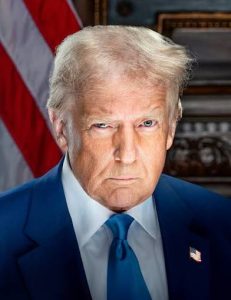
When politicians come under intense pressure at home, they often search for an external enemy or a moral crusade abroad to steady their ground. Donald Trump appears to be doing exactly that and Nigeria has become a convenient stage for this political survival strategy.
In the United States, Trump is battling multiple storms at once. Public scrutiny over his alleged links to the Jeffrey Epstein file saga continues to raise uncomfortable questions. Inflation and the rising cost of living have left many Americans frustrated and angry, with everyday expenses stretching household incomes to breaking point. On the foreign front, aggressive rhetoric around Venezuela including talk of regime change, invasion, and even the kidnapping of President Nicolás Maduro and his wife has drawn criticism and heightened global tension.
Faced with these pressures, Trump needed a narrative strong enough to shift public attention. He found it in religion.
By pushing the claim that Christians are facing a “genocide” in Nigeria, Trump has positioned himself as a global defender of Christianity, a message carefully crafted to appeal to his evangelical base at home. The framing is clear: Christians are under attack, the world is silent, and Trump is the only leader bold enough to stand up for them. It is emotionally powerful, politically useful, and deeply misleading.
Nigeria’s security crisis is real, but it is not a religious extermination campaign.
Terrorism, banditry, kidnapping, and communal violence affect Nigerians across all faiths. Christians are victims. Muslims are victims. Entire communities have been devastated regardless of religion. To label this complex national tragedy as a targeted “Christian genocide” is not only inaccurate but also dangerous.
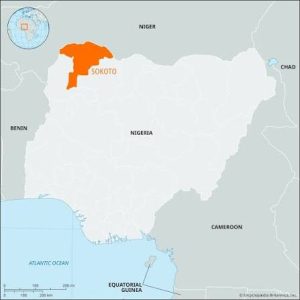
Trump’s narrative slipped further into propaganda when he referenced an alleged Christmas Eve attack in Sokoto, claiming it was the reason Christians enjoyed a peaceful Christmas. That claim does not align with verified events on the ground. There was no such incident in Sokoto that fits his description, and no evidence that any U.S. action ensured Christmas peace in Nigeria. It was a blatant distortion, designed to dramatise a political message rather than reflect reality.
This kind of rhetoric carries serious consequences. Painting Nigeria as a battlefield of religious war risks inflaming tensions in a fragile, multi-faith society. It undermines the efforts of religious leaders, traditional rulers, and civil society actors who have worked tirelessly to prevent insecurity from being framed as a Christian-versus-Muslim conflict. Worse still, it hands extremists the very narrative they thrive on.
The timing of Trump’s claims is telling. As American citizens demand answers on inflation, governance, and personal conduct, attention is redirected toward a foreign crisis framed in moral absolutes. It is easier to mobilise outrage about distant suffering than to offer solutions to domestic hardship.
Nigeria should not be used as a prop in another country’s political theatre. Our security challenges require honest diagnosis, internal reform, and genuine international cooperation not exaggerated narratives crafted for campaign applause.
For Americans, the issue goes beyond Nigeria. Leadership demands truth, not fear-mongering; solutions, not distractions. When a foreign tragedy is repackaged to rescue a struggling political image, it reveals not strength, but desperation.
In the end, Trump’s rhetoric tells us less about Nigeria and more about the politics of survival in Washington; where distraction, once again, is being sold as leadership.




About The Author